LAST CALL Driver Guide
Stay in control, dodge heat, and get the car home while your friend ruins everything.
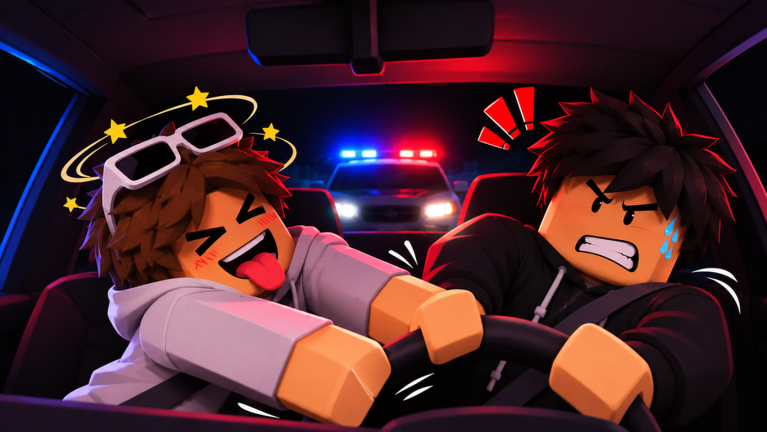
The Driver seat in LAST CALL [BETA] is the pressure role. TAZ Syndicate built a two-player chaos loop where one person must get the car home through city streets and winding forest roads while the other player actively sabotages the ride. Your win condition is simple on paper: reach home in one piece. In practice you are fighting police patrols, unexpected encounters, slippery drifts, and a passenger whose entire job is to mess with the car.
This guide focuses only on driving well. Pair it with the passenger guide if you swap seats, the how to reach home walkthrough for route mindset, and the tier list for which sabotage moves hurt you most. New players should also skim Getting Started and the controls page before a long session.
What the driver is responsible for
Officially, the driver must keep eyes on the road, stay in control, avoid the cops, and get everyone home safely. That means you own:
- Lane discipline and throttle control
- Reading city traffic versus forest curves
- Choosing when a drift helps and when it invites disaster
- Managing suspicion so patrols do not lock onto you
- Recovering instantly when the passenger interferes with steering, lights, horn, or other cabin chaos
You do not win by flooring it forever. Suspicious driving and wild swerves are how police heat snowballs. Calm, readable lines win more often than cinematic crashes—especially while the passenger is mid-prank.
Pre-ride checklist
- Queue with a friend. LAST CALL is built for two; the fantasy falls flat if nobody is sabotaging or driving with intent.
- Agree on voice chat. Callouts like “lights,” “horn spam,” or “steering yank” save milliseconds.
- Confirm who starts as driver. Roles can switch later—treat the first ride as a warm-up, not a rivalry blood feud.
- Open codes once before you play in case a beta reward drop is live, then jump in.
- Mentally map the loop: leave the late-night party vibe, survive the road, reach home.
Core driving fundamentals
Smooth inputs beat panic corrections
When the passenger jerks the wheel or floods the cabin with noise, your instinct is to overcorrect. Overcorrections create spins, sidewalk hops, and the kind of motion that screams “pull me over.” Feather steering, ease off throttle, and re-center before you accelerate again. Think of every sabotage burst as a temporary storm: survive the three seconds of chaos, then resume a legal-looking line.
City streets versus forest roads
City blocks reward anticipation. Watch intersections, parked cars, and patrol sight lines. Short straights tempt speed; use them only if your heat is low and the passenger is quiet. Forest roads punish greed. Tight bends and elevation changes make drift tempting, but a half-controlled drift into a ditch ends the run just as surely as a police stop. Enter forest corners slower than your ego wants, exit clean, and save big slides for open pavement when you actually need them.
Drift as a tool, not a personality
Drift is part of the fantasy—the experience literally calls out drifting through city and forest routes. Use it to rotate the car when you are already committed to a turn or to bleed speed without slamming brakes into a wall. Do not drift next to a patrol “for style.” The tier list ranks calm driving highly for a reason: flashy slides raise suspicion and amplify passenger sabotage because you have less recovery margin mid-slide.
Police heat and suspicious driving
Police patrols and unexpected encounters are core failure states. Treat heat like a resource you never want to spend.
- Look legal. Steady speed, signal-like lane changes (even if the game is arcade-leaning), and fewer sidewalk shortcuts keep you under the radar.
- After sabotage, go quiet. If the passenger just blasted the horn or flipped lights, drive like a model citizen for the next stretch. Let the moment cool.
- Do not turn a near-miss into a chase. Clipping a curb then flooring it is how soft attention becomes hard pursuit.
- Use the environment. Break line of sight with corners and foliage when you must, but prioritize completing the home route over endless cat-and-mouse loops.
If heat spikes, your only job is stabilization. Ignore passenger baiting for a moment, straighten the car, and reclaim a boring trajectory. Boring is how drivers win LAST CALL.
Surviving passenger sabotage
Your friend will mess with car controls, distract you, and create chaos on purpose. Expect interference with steering feel, horn spam, light games, and general cabin nonsense. Counterplay is mental more than mechanical:
- Prioritize the road, not the argument. Laughing in voice chat is fine; staring at the passenger UI while entering a bend is not.
- Hands ready for recentering. The second steering feels wrong, reduce throttle and correct gently.
- Predict combos. Horn plus lights plus a yank is a classic pile-on. If one gag starts, assume two more are coming.
- Call for mercy strategically. A short “cool it until that cop passes” is fair play. Pure silence until you crash is how friendships and runs both die.
Study the passenger guide so you recognize which moves are high impact. Knowing the attack menu makes recovery faster than treating every prank as a surprise.
Mid-ride decision framework
Ask three questions every thirty seconds:
- Am I pointed toward home? If not, correct route before you correct pride.
- Is my heat rising? If yes, delete unnecessary speed and drama.
- Is the passenger mid-combo? If yes, survive first, punish later by refusing to overreact.
When the answer to all three is healthy, you can take a controlled drift, enjoy the scenery, and push pace. When any answer is bad, shrink your ambition until the car is stable again.
Common driver mistakes
- Speedrunning the tutorial mindset. This is not a pure time trial; finishing intact beats finishing fast and sideways.
- Revenge driving. Trying to “shake” the passenger with intentional chaos usually feeds police attention.
- Ignoring role swaps. After a loss, switch seats. Learning passenger timing makes you a calmer driver next round.
- Skipping wiki basics. The Guides Hub and updates pages exist because the game is still in beta—mechanics and feel can shift.
- Playing without a plan to reach home. Read how to reach home so destination focus stays sharper than the bit.
Practice routine for better drivers
Run three short sessions with the same friend:
- Calm only. Passenger agrees to light sabotage. You practice legal lines and forest entries.
- Full chaos. Passenger goes hard. You practice recovery and heat management.
- Role reverse. You sabotage; they drive. Empathy improves both seats.
Between sessions, skim the Players review page if you are deciding whether the beta loop is for your group, and check scripts only with caution—this wiki never invents loadstrings, and third-party tools can break a fair co-op night.
Mindset: friendship as the real HUD
LAST CALL markets itself with a question: can your friendship survive the ride home? As driver, you set the tone. Stay competitive without becoming cruel. Celebrate clean recoveries. When you finally roll up to home after a nightmare cabin fight, the win lands harder because you earned it under fire.
Keep the car pointed home, keep the heat boring, and treat every passenger gag as a temporary storm. That is how drivers clear LAST CALL runs while the beta keeps adding polish, fixes, and new ways for shotgun riders to ruin your night—in the best way.
Frequently Asked Questions
Quick answers for drivers and passengers.
What is the driver’s goal in LAST CALL?
Reach home safely in one piece while staying in control and avoiding police attention, even as the passenger sabotages the car.
Should I drift all the time as the driver?
No. Drift is useful for controlled turns, but constant slides raise suspicion and leave less room to recover from passenger sabotage.
How do I deal with police patrols while driving?
Drive calmly after any chaos burst, avoid suspicious swerves, and stabilize before pushing speed again. Soft attention becomes a chase if you panic.
Where should I learn passenger tricks so I can counter them?
Read the passenger guide and the community tier list so you recognize high-impact sabotage before it spins you out.