LAST CALL Passenger Guide
Ride shotgun, ruin the drive, and see if the friendship survives the road home.
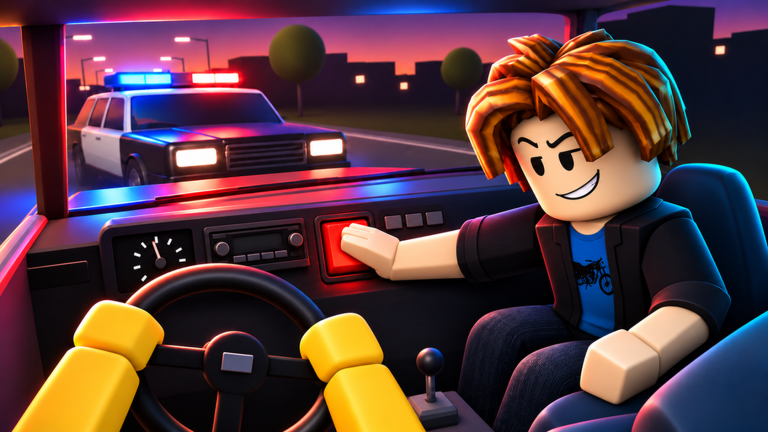
The Passenger seat in LAST CALL [BETA] is licensed chaos. TAZ Syndicate’s pitch is blunt: one player drives, one causes problems. While the driver tries to reach home through city streets and forest roads, you mess with the car, distract them, interfere with controls, and turn a simple late-night ride into a stress test.
This page teaches how to sabotage with intent—not random button mashing that ends the round in thirty seconds and kills the joke. Cross-read the driver guide so you understand what actually breaks concentration, use the tier list for community rankings of chaos moves, and keep how to reach home open if you ever swap into the seat that must finish the route. New duos should start at Getting Started and controls.
What the passenger is supposed to do
Official copy says your job is to make the driver’s life a nightmare. Practically that means:
- Interfering with car controls at high-leverage moments
- Creating audio and visual distractions (horn, lights, cabin noise)
- Forcing steering mistakes near bends, traffic, or patrols
- Raising the chance of police attention without instantly soft-locking the session
- Keeping the bit funny so your friend still queues the next round
You are not a co-pilot. Helpful navigation tips are optional flavor; your mechanical role is opposition inside a shared win/lose fantasy. The car still needs to almost make it—pure instant fails get old fast.
Sabotage timing beats spam
Great passengers think in windows:
- Setup window — Driver is calm, heat is low, road is straight. Plant a small distraction so they tense up.
- Punish window — A corner, a narrow street, a visible patrol, or a mid-drift recovery. Stack interference here.
- Cooldown window — After a near crash or a cop scare, ease off for a few seconds. Let them breathe so the next gag lands harder.
Spam during cooldown teaches the driver to ignore you. Precision during punish windows teaches them to fear you.
Core chaos tools (beta design language)
Exact bind names can shift while the game is in beta—confirm on the controls page—but the fantasy clusters around a few move types the community already ranks:
Steering mess
Yanking or interfering with steering is the highest drama tool. Use it at corner entry or when the driver is correcting from a previous gag. Avoid holding chaos so long that the car is mathematically doomed before they can respond; the fun is the scramble, not a scripted explosion.
Horn
Horn spam is comedy and heat bait. Short bursts near patrols or quiet residential stretches create panic. Continuous horn for an entire forest section becomes white noise. Pulse it, stop, then hit again when they think you are done.
Lights
Light games wreck depth perception and mood. Flicker or flip at tunnel-like tree cover, at night stretches, or right as they aim for a precise apex. Pair lights with a soft steering nudge for a classic one-two.
Broader distractions
Anything that pulls eyes off the asphalt counts: sudden cabin antics, voice-chat fake callouts (“cop left—no wait right”), or stacking multiple small interferences so the driver cannot prioritize. Distraction is about attention, not only damage.
Police heat as a weapon
You do not control the cops directly, but you influence suspicion. Loud, flashy, swerve-inducing play near patrols is how passengers convert pranks into pursuits. Use heat as a late-round closer when the driver is close to home and getting confident.
Compare these tools against the tier list S/A/B/C rankings so you know which mixes the community considers round-winning versus filler.
City versus forest passenger plans
City: Intersections and patrol sight lines are your allies. A horn pop plus a light flick as they enter a busy block can force a suspicious correction. Do not force a crash into every parked car—leave room for a recovery that still looks guilty.
Forest: Corners are denser and drifts are more common. Save hard steering mess for mid-bend, when throttle and rotation are already committed. Early-straight spam is weaker here; the trees punish late mistakes harder than open avenues do.
How hard is too hard?
LAST CALL sells Mild Crude Humor and friendship stress, not grief for its own sake. Soft rules that keep lobbies alive:
- Agree on a chaos intensity before the ride (chill / medium / villain).
- If the driver asks for a five-second truce near a cop, honor it once—then betray them later, obviously.
- After a full fail, switch seats. The best passengers also learn the driver guide so future sabotage is smarter.
- Watch updates when TAZ Syndicate ships polish passes; feel and available toys can change in beta.
Advanced passenger patterns
The false calm
Go quiet for a long straight. Let the driver brag in voice chat. Strike at the first serious corner. Silence is a resource.
The stacked opener
Lights → horn → steering nudge in under two seconds. Stacked openers create information overload. Follow with a cooldown so the next stack still surprises.
The home stretch traitor
When home is close, drivers get greedy. That is your final exam. Raise heat, force a correction, and make the last minute louder than the first. Just remember: if you brick every finale the same way, they will adapt—vary the last gag.
The educator bit
Occasionally narrate what you are about to do. Teaching your friend the sabotage menu mid-ride sounds counterproductive; it actually raises tension because they know the hit is coming and still cannot prevent the timing.
Mistakes new passengers make
- Holding maximum chaos from spawn. The round ends before the joke develops.
- Ignoring police context. Random noise far from patrols is weaker than timed noise in their sight.
- Never learning to drive. You will misjudge what “almost crashed” means until you have sat in the other seat.
- Skipping the wiki loop. Codes, scripts (with caution—no invented loadstrings here), and the Players overview help you understand the wider beta, not only the shotgun seat.
- Forgetting the destination fantasy. Your chaos is measured against their attempt to reach home. Without that goal, sabotage has no punchline.
Practice plan for shotgun mains
- One-tool rounds — Only horn, or only lights, or only steering mess. Learn each tool’s pacing.
- Combo rounds — Combine two tools at punish windows only.
- Heat rounds — Focus on creating suspicion near patrols without instant total loss.
- Seat swap — Drive while they use your own patterns against you.
Track what consistently forces overcorrection. Those are your personal S-tier moves even if the global tier list debates rankings as the beta patches.
Keep the friendship queueable
The experience asks whether your friendship can survive the ride home. As passenger, you are the stress injector and the reason the story is funny tomorrow. Aim for memorable near-misses, last-second betrayals, and laughter when the sirens finally notice. When the driver somehow still crawls into the driveway, congratulate them—then demand a rematch with seats reversed.
Mess with the car. Distract on purpose. Interfere with controls. And leave just enough hope that home still feels possible until the final turn.
Frequently Asked Questions
Quick answers for drivers and passengers.
What is the passenger’s job in LAST CALL?
Cause chaos: mess with the car, distract the driver, interfere with controls, and make reaching home as difficult as possible without killing the fun instantly.
Should passengers spam sabotage the whole ride?
No. Time steering mess, horn, and lights for corners, patrols, and recovery moments. Cooldowns make later gags hit harder.
Which passenger moves are strongest?
Community rankings on the tier list usually value steering interference and heat-baiting combos over constant low-impact spam.
Can passengers and drivers switch roles?
Yes. Switching after a round teaches both seats and keeps the asymmetric co-op loop fresh during the beta.